Feature
The Top 10 stories of 2025 from EUobserver
Another year draws to a close, and with the war in Ukraine still raging and the "fragile ceasefire" in Gaza disguising a humanitarian catastrophe, not to mention the situation in Sudan, it's hard to feel like it's the season of peace and goodwill to all men (and women).
And with Donald Trump's national security strategy agitating explicitly for the end of the European Union as a bloc, and for far-right nativist parties in Europe, plus a pro-Moscow 'peace deal' over Ukraine, it's hard to see how strong Nato will be in 2026, or beyond.
If the security anchor of the US can't be relied upon in an 'Article V' situation, and if the 'coalition of the willing' for Ukraine, namely the UK, France and Germany, could soon (according to the opinion polls) be lead respectively by the far-right pro-Kremlin forces of Nigel Farage, the National Rally and the Alternative for Germany, how willing and how much of a coalition is it, really?
Gloomy thoughts with which to start the New Year. So let's look back, instead.
As EUobserver publisher Alejandro Tauber noted earlier this month, our outfit (despite being 25 years old, almost unprecedented in the online independent media world) is really no more than a handful of people. Three full-time reporters, one part-time, an editor-in-chief-cum-reporter, two interns and one sub-editor for all the raw copy and editor for all opinion and freelance/external pieces.
One thing that came out of our readers' questionnaire responses in 2025 was that there was a perception EUobserver was 'leftwing'. There's a grain of truth in that, but it's far from the full picture.
We are not, obviously, affiliated in any way with either the Socialists & Democrats, The Left, or the Greens.
What we are, is on the side of progressive human rights, the rule of law, civil society, transparency and accountability.
We haven't changed — what may have happened is our media rivals in Brussels have shifted further and further to either the culture war right, or the big business/lobbying right. Making EUobserver appear more 'leftwing'.
And yet in 2025 we have broken major scoops (the activities of the EU's so-called anti-semitism tsar, the threats from Russia to Euroclear), mounted numerous long-term, long-read investigations, prepared concise but comprehensive analysis and explainers of the major (and usually complicated) issues of the day. Plus a daily diet of hopefully new and interesting opinion pieces you largely won't find elsewhere.
If you're new to EUobserver, or even if you're not, let me run you through 10 representative but not exhaustive examples of the best of our work.
They're in no particular order, but they begin with the most recent and topical, and a story with huge ramifications.
1. Bolshoi-loving banker threatened Euroclear CEO, amid EU talks on Russian assets
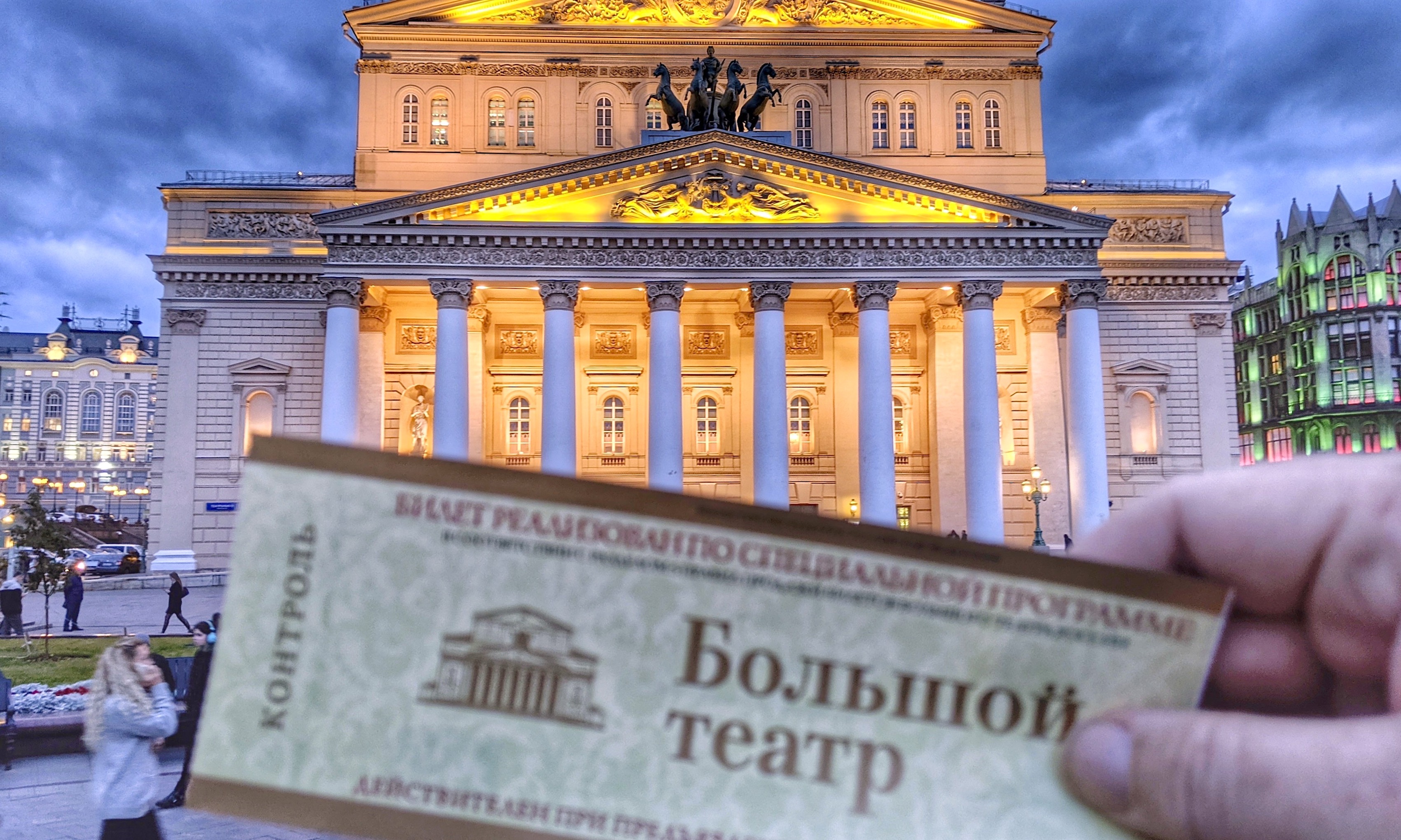
Andrew Rettman's investigation into the actions of a French banker within the Euroclear set-up is important for two reasons — the EU is poised to decide on whether to appropriate (in some legal manner) the €200bn plus of frozen Russian assets held there. And the person concerned, Olivier Huby, took over 150 personal flights to Russia in the past 10 years. To explain the headline, Huby's ostensible reason for the trips? He is a great lover of Russian ballet. But there's much more detail inside.
2. EU antisemitism tsar lobbied against Israel sanctions
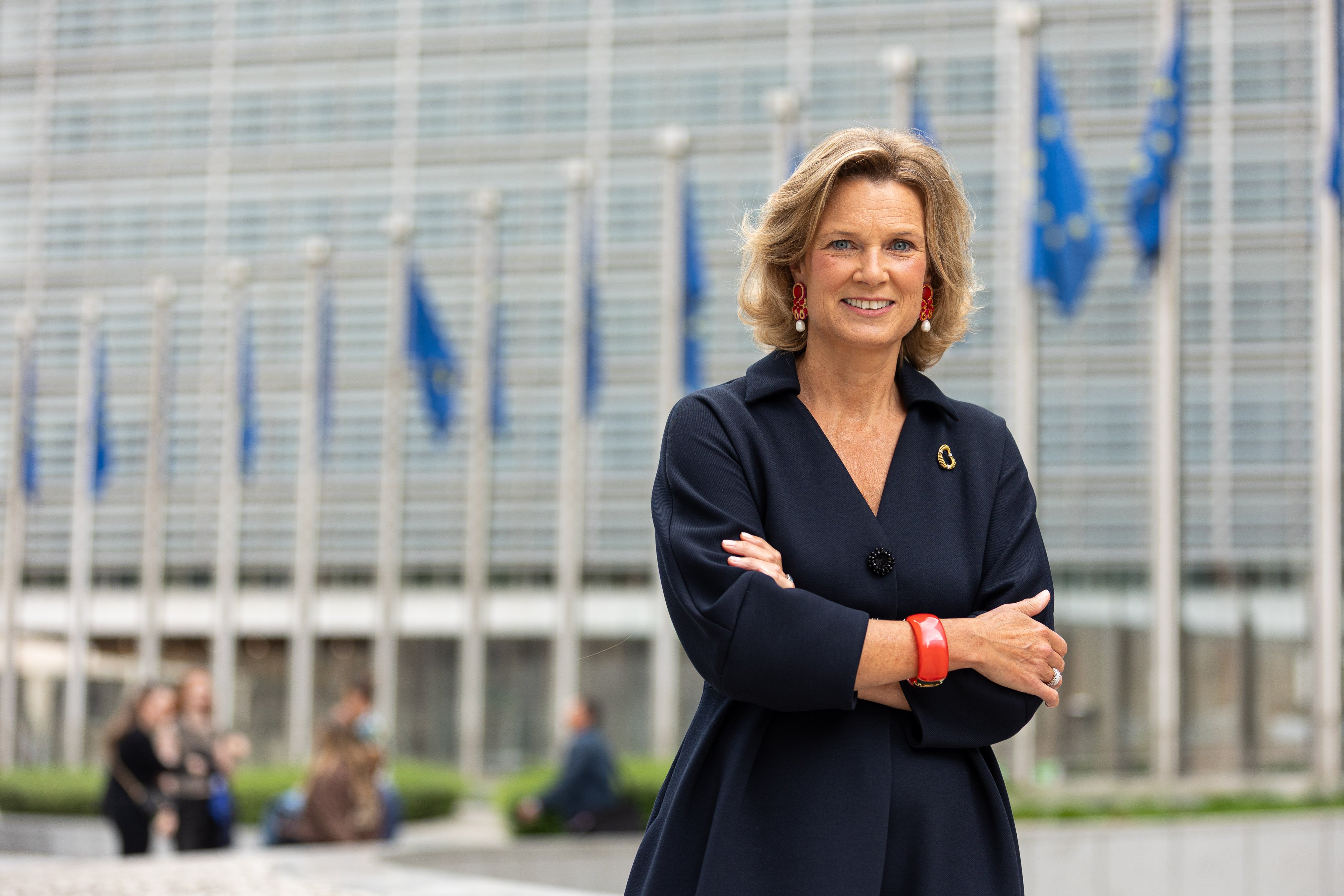
Another exclusive from Rettman, this time from July, on the strange actions of the EU's supposed "coordinator on combating antisemitism," Germany's Katharina von Schnurbein, who was lobbying behind the scenes *against* economic sanctions on Israel, rather than *for* the safety and rights of Jews living in Europe.
For Schnurbein, the Berlaymont staff at the EU Commission holding cake sales for Gaza was "ambient antisemitism" and both the UN and the international media were "ignoring" stories about Israel getting food into the Gaza Strip. Incredibly, Schnurbein is still in her job. Follow up stories here and here.
3. Born into war: How Ukraine's demographic crisis became a catastrophe

Back to Ukraine, but — as is our style — not the usual battle/frontline reportage or boosterism op-eds you can read everywhere else, but editor-in-chief Elena Sanchez Nicolas deep-dive on the future demographics for Ukraine. Which does not make for pretty reading. Before the war, Ukraine had a demographic problem, with low birth rates and emigration. Now, with the war, it's facing catastrophe.
4. How NGOs die — Europe's playbook for dismantling democracy

As per the 'leftwing' criticism I mentioned, we are to some extent a voice for NGOs across Europe. They, in turn, are attacked by the far-right as taxpayer-funded busybodies suffocating business in red tape and health and safety. In fact, corporations and governments cannot be trusted to monitor and police themselves on climate targets, an independent judiciary and media, and a plethora of other issues, the general public is too busy working to pay the bills to do the job, so NGOs step in to perform an essential role for all of us.
Our new star columnist, Alberto Alemanno, in his debut column, pulled together all the threads from more than a year of EUobserver reporting to give a firsthand account of the EU Commission's war on NGOs.
5. Using Russia's sovereign assets - will von der Leyen's clever workaround actually work?

A mark of a good comment piece is when it changes your mind on an issue. Which happens very rarely. Our Madrid-based economics columnist, Judith Arnal, wrote this way back in September, when the question of Russia's frozen (technically, immobilised) assets was first starting to come to the boil.
And while using Russian Central Bank assets is the 'right' thing to do morally and legally, the situation is much more nuanced and difficult. Seizing sovereign assets, whilst going to a good cause in Ukraine, is - at least technically - illegal, and the threat of contagion from other states withdrawing their sovereign assets from anywhere and everywhere inside the eurozone is so potentially disastrous, it could lead to a run on the euro. Watch this space.
6. EU's 'Omnibus' green rollback likely to hit legal challenge, experts warn

If you only read one piece on the second Ursula von der Leyen EU presidency rolling back (nearly) all the achievements of the first Ursula von der Leyen EU presidency, make it this one — and we've published dozens ourselves. Climate correspondent Wester van Gaal interviewed David Frydlinger (pictured), co-author of a legal analysis of the Omnibus 'simplification'package, and concluded that “the commission hasn’t done its legal homework."
7. Technocrat beats rabble-rouser - how African Union election borrowed from Brussels
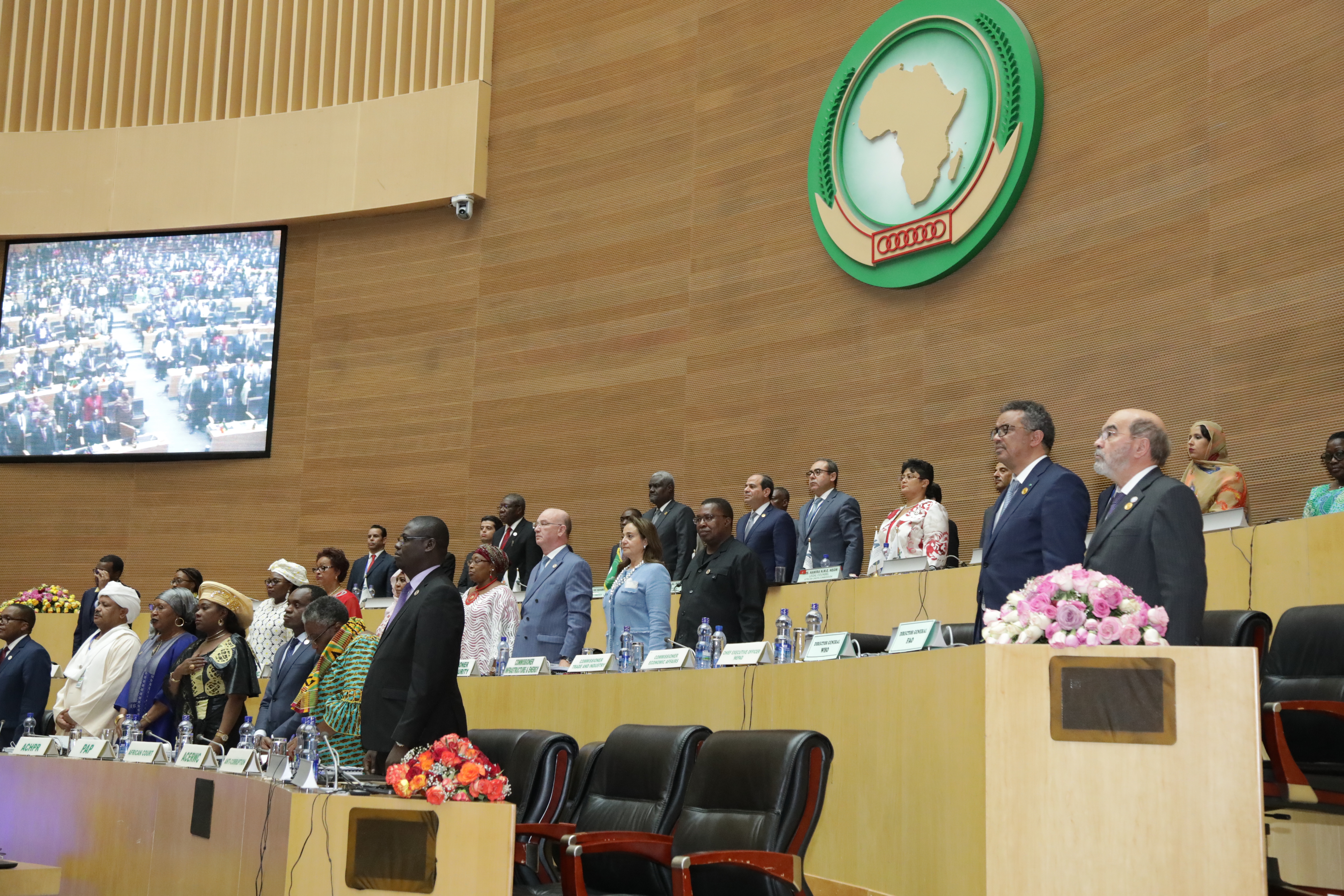
The first full-year of having a permanent EUobserver reporter based in Africa — Ben Fox in Nairobi — has already paid dividends many times over. For all their size, I see little coverage of the continent in Politico or Euractiv. Let alone any *from* the continent. Here, Fox reports from the African Union, the (sort of) semi-sister organisation to the European Union, and a power struggle for the top job, which also reveals an internal power struggle between major states trying to prevent power being ceded away. Sound familiar?
8. Euro dreams or mafia schemes? Inside Bulgaria's deeper crisis
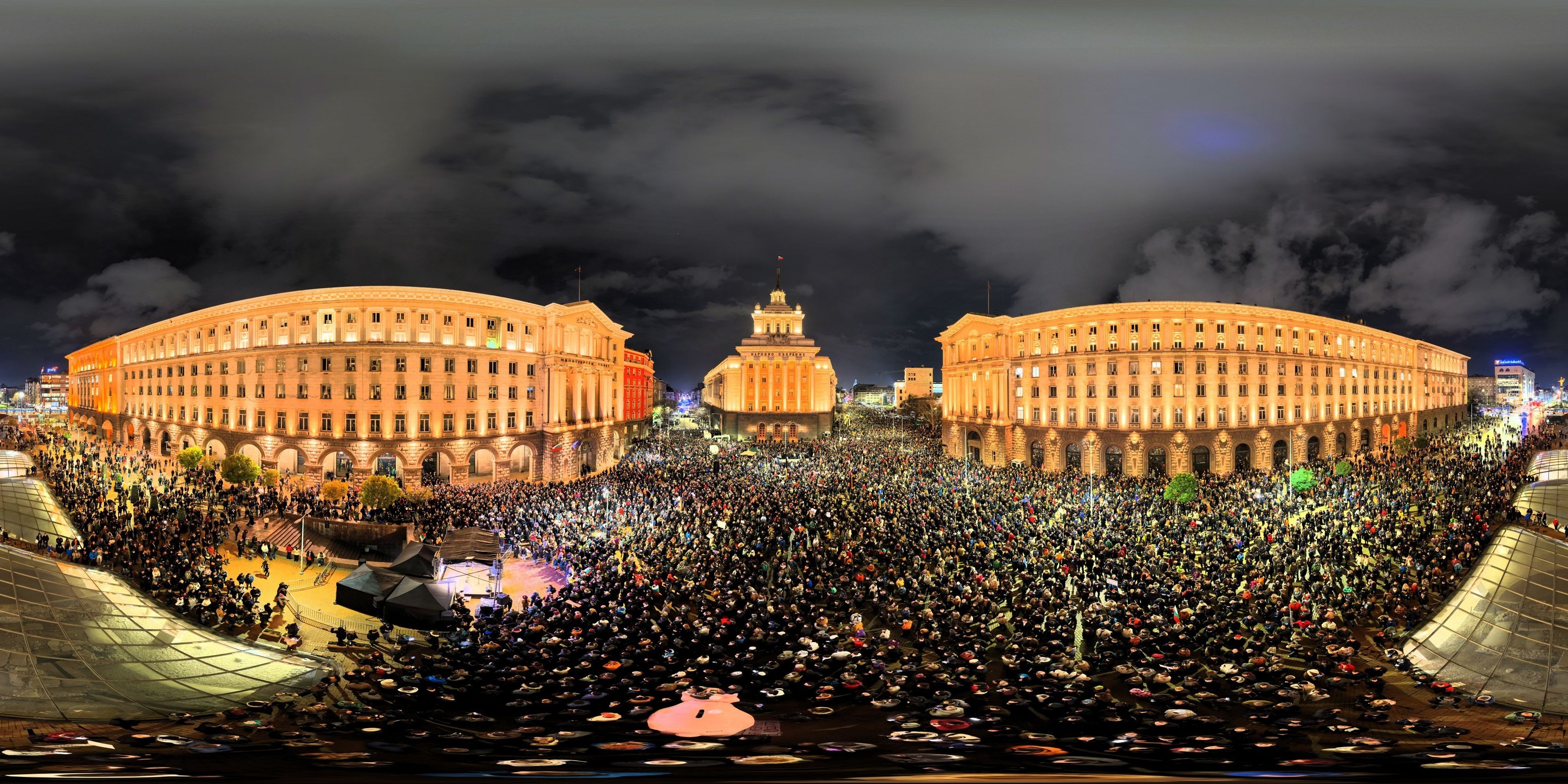
When Bulgaria's government collapsed this month — just three weeks before it joins the euro — it seemed to take Brussels by surprise. Not so EUobserver, who had been reporting in-depth on the rule-of-law crisis engulfing the country since the start of October. Nikolaj Nielsen, whose usual beat is migration, explained the crisis in the making in a member state, seemingly under the radar of the EU.
9. The turbo-charging of EU defence — explained

Perhaps the biggest, if most underplayed, EU story of 2025 was the enormous increase in EU defence spending — because its cost, and equipment, will shape the next couple of decades, long after the Ukraine war is hopefully over. And the money is coming, or already has been diverted from, social spending and foreign aid. In this in-depth dive and visual explainer by data analyst Sergi Pijuan and editor-in-chief Elena Sánchez Nicolás, the full breakdown of who, what, where, and why. And in a contemporaneous piece from March, columnist Judith Arnal looks at the affect of this state cash bonanza on the share prices of Europe's arms manufacturers.
10. 'Mid-term rentals': the new haven for investors to keep ahead of housing regulations

It's a cliche, but nonetheless true, that too much Brussels Bubble reporting is about the in-fighting between the institutions, with not enough detailed scrutiny of public policy — let alone the trickle-down effect on European citizens, consumers, and workers. We try to rectify that. This long-read from June, again by Pijuan, looks at the booming 'grey zone' mid-market between overnight Airbnb stays, and the long-term rental market — one of the biggest issues in Europe's current housing crisis, and which led to the first-ever EU housing plan in December.
Every month, hundreds of thousands of people read the journalism and opinion published by EUobserver. With your support, millions of others will as well.
If you're not already, become a supporting member today.
Author Bio
Matt Tempest is the Berlin-based editor and comment editor for EUobserver since 2017. Previously, he was a political correspondent at The Guardian, and a news editor at AFP and dpa.